
Guide · Updated 7 Nov 2026
Where to see giant pandas in China: a practical 2026 guide
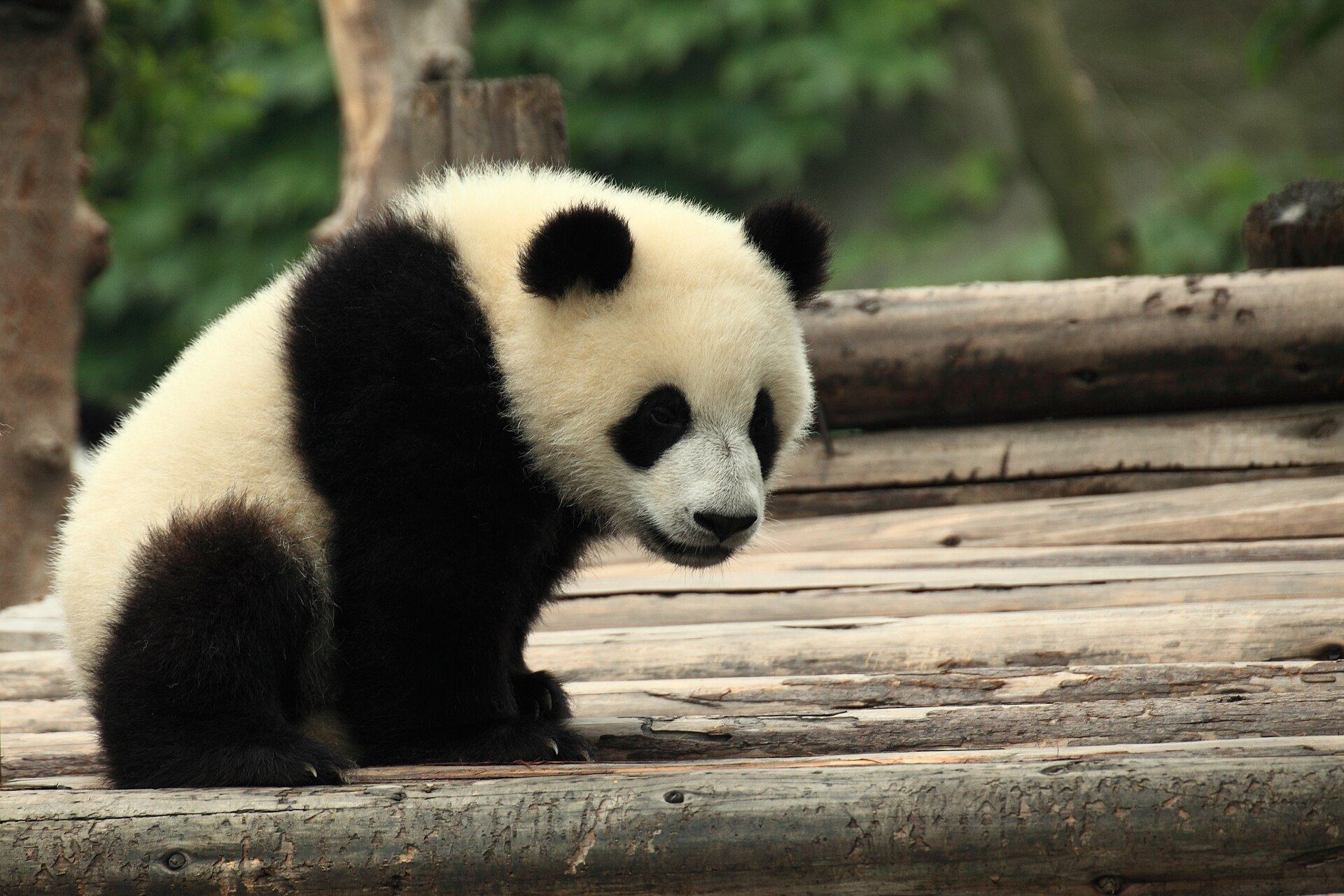
Wild giant pandas live only in China, in the mountains of Sichuan, Shaanxi and Gansu. You will almost certainly not see one in the wild, but you can see them up close at breeding and research centres. Which one you choose makes a big difference to your day.
The short answer
- First trip and short on time: the Chengdu Research Base of Giant Panda Breeding, first thing in the morning.
- Fewer people and a more natural setting: Dujiangyan Panda Valley (about 1.5 hours from Chengdu) or Shenshuping in the Wolong Nature Reserve (about 2–3 hours).
- You want to help the keepers for a day: a volunteer program at Bifengxia or Wolong. Book well ahead.
- Not going to Sichuan: Beijing Zoo, Chongqing Zoo, the Qinling Giant Panda Research Center near Xi’an, or Chimelong Safari Park in Guangzhou.
Chengdu Research Base of Giant Panda Breeding
This is where most visitors see pandas, and for good reason. It is about 10 km north of central Chengdu, roughly 30–45 minutes by car, and home to well over a hundred giant pandas, plus red pandas, in landscaped bamboo enclosures.
- Tickets: ¥55 for adults and ¥27 for students. Children aged 6 and under or shorter than 1.3 m, and visitors over 60, go free.
- Booking: online only, with your passport, up to 14 days ahead, through the base’s official WeChat mini-program or platforms such as Trip.com. Don’t count on buying at the gate.
- Opening hours: entry from 7:30 between March and October, and from 8:00 between November and February. The park clears at 18:00 in summer and 17:30 in winter.
- Getting there: metro Line 3 to Panda Avenue, then a short shuttle bus to the South Gate; or a Didi taxi from the city centre.
- Inside: an optional sightseeing bus (about ¥30) saves a lot of walking uphill.
Use the South Gate if you have two or three hours; it leads straight to the most popular enclosures. The West Gate is quieter and suits a slower half-day visit. The two are too far apart to walk between, so pick one.
The single most important tip: arrive at opening time. Pandas are most active during the morning feed, roughly 8:00 to 10:00. By early afternoon most of them are asleep in a tree, and in summer heat they retreat to air-conditioned rooms. Weekdays are calmer than weekends, and celebrity pandas can draw queues of an hour or more, so skip those lines unless you are a devoted fan.
Dujiangyan Panda Valley
About 70 km northwest of Chengdu, Panda Valley has far fewer pandas, around twenty, but also far fewer people, and the enclosures sit in green hills. A fast train from Chengdu takes about 20 minutes to Dujiangyan, and it pairs well with the ancient Dujiangyan Irrigation System and Mount Qingcheng, both UNESCO World Heritage sites.
Note that this is not the same place as the Dujiangyan panda base run by the national research centre, which was reported closed for renovation from April 2026. Check the latest status before you plan around it.
Wolong Shenshuping and Bifengxia
Shenshuping lies in the Wolong Nature Reserve, part of the Sichuan Giant Panda Sanctuaries World Heritage Site, about 130 km and two to three hours’ drive from Chengdu into the mountains. It is cooler, greener and very quiet, and it feels closest to where pandas actually come from.
Bifengxia, near Ya’an, is about 150 km from Chengdu, or two and a half to three hours by road. It is set in a forested gorge and sees few foreign visitors. Both bases are best done as a full-day trip with a car and driver, or an overnight stay.
Panda volunteer programs: what you actually do
At Wolong and Bifengxia you can spend a day as a keeper’s assistant. Expect to clean an enclosure, carry bamboo, help prepare panda bread, watch a feeding from close by and see a short documentary. You get a certificate, and your fee supports the centre.
- Cost: usually around ¥700–1,000 (about US$100–140) per person for the program itself, plus transport from Chengdu.
- Places are limited to a few dozen people a day, with minimum and maximum ages that vary by base, often 8 or 12 and up.
- Book one to two months ahead for spring, summer and holiday periods.
- The volunteer program at the national Dujiangyan base was suspended during its 2026 renovation.
Can you hold or hug a panda?
No. Paid “hold a panda” photo sessions ended years ago, and no legitimate base in China offers them today. Volunteers do not touch the pandas either. If anyone offers you a panda cuddle, it is a scam or something you should not support.
Seeing pandas outside Sichuan
If your trip doesn’t include Sichuan, you can still see giant pandas. Beijing Zoo has a panda house that is easy to add to a city day. Chongqing Zoo is right in the city. The Qinling Giant Panda Research Center in Shaanxi, within reach of Xi’an, cares for Qinling pandas, a distinct subspecies that is sometimes brown and white. In the south, Chimelong Safari Park in Guangzhou keeps several pandas, including a famous set of triplets.
When to go
Pandas are on show all year, but the cooler months from October to April are best: the animals are more active outside and the crowds are thinner. Spring brings fresh bamboo shoots, and in winter you may see pandas rolling in snow at Wolong. Avoid China’s big holidays, especially the first week of October, when queues at the Chengdu base can be enormous.
How we do it
On our Pandas, Peppers & Mountain Cities journey we book your tickets with your passport details in advance and get you to the Chengdu base at opening time, before the tour buses. On a private trip we can add a quiet day at Dujiangyan or Wolong, or arrange a volunteer day. Read more about Chengdu, or ask us what would suit you.
Frequently asked questions
Can foreigners book Chengdu Panda Base tickets?
Yes. Tickets are sold online with your passport number, up to 14 days ahead, through the base’s official WeChat mini-program or platforms such as Trip.com. If you travel with us, we book them for you.
How much does the Chengdu Panda Base cost?
An adult ticket is ¥55 and a student ticket ¥27. Children aged 6 and under or shorter than 1.3 m, and visitors over 60, go free. The optional sightseeing bus inside costs about ¥30.
What is the best time to see pandas in Chengdu?
Arrive at opening time, 7:30 from March to October or 8:00 from November to February. Pandas are most active during the morning feed, roughly 8:00 to 10:00, and usually sleep in the afternoon.
Can you hold a panda in China?
No. Paid panda-holding sessions ended years ago and no legitimate base offers them. Even volunteers do not touch the pandas.
Where can I volunteer with pandas?
At the Wolong Shenshuping and Bifengxia bases in Sichuan. A volunteer day usually costs around ¥700–1,000 per person, places are limited, and you should book one to two months ahead in busy seasons.
Want us to handle the details?