
Guide · Updated 7 Nov 2026
Which part of the Great Wall should you visit? A section-by-section guide
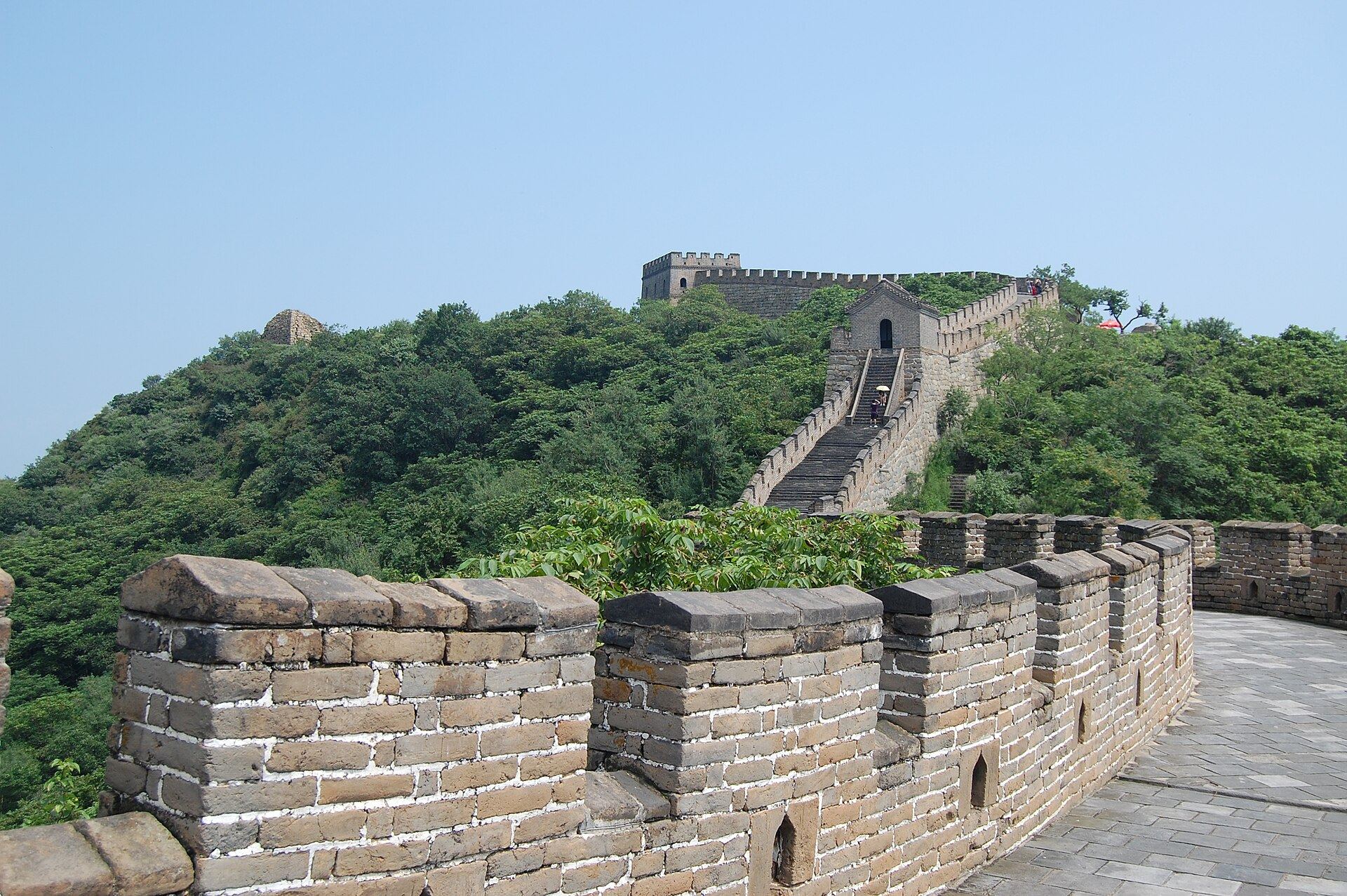
The Great Wall isn’t one wall. It is thousands of kilometres of walls built over two thousand years. Near Beijing, the best-preserved sections date from the Ming dynasty, and each one feels very different: some are restored and busy, some are steep and wild, and one is open at night. Choosing the right section matters more than anything else about your visit.
The short answer
- Best all-round choice for a first visit, and for families: Mutianyu.
- Easiest by public transport if you are short on time: Badaling, by high-speed train. It is also the most crowded.
- Most photogenic hike with fewer people: Jinshanling.
- The Great Wall at night: Simatai, through Gubei Water Town.
- Closest to the city: Juyongguan.
- Wild and unrestored: Jiankou, for experienced hikers only.
Mutianyu: the best all-rounder
Mutianyu is about 70 km northeast of central Beijing, roughly an hour and a half by car. The wall is restored but not over-polished, with more than twenty watchtowers strung along forested ridges. A cable car or chairlift saves the steepest climb, and a toboggan run takes you back down, which children love.
- Tickets: ¥40 entry (¥45 with a postcard), plus ¥15 for the shuttle bus to the foot of the wall. The cable car is ¥100 one way or ¥140 return; the chairlift and toboggan are ticketed separately.
- Booking: real-name tickets with your passport, up to 30 days ahead, one ticket per passport per day. Bring the same passport to the gate.
- Hours: from 7:30 between mid-March and mid-November, and from 8:00 in winter. Ticket sales stop an hour before closing.
Allow two to four hours on the wall itself, and a full day door to door. Arrive at opening time and you will have long stretches almost to yourself.
Badaling: easy to reach, hard to enjoy at peak times
Badaling, about 70 km northwest of Beijing, is the most restored and most visited section. Its big advantage is transport: high-speed trains from Beijing North reach Badaling Great Wall station in about half an hour. The downside is the crowds, especially on weekends and holidays, when the wall can feel like a queue.
All Badaling tickets are sold online in advance with your passport, usually about a week ahead, and there is no ticket office for walk-ups. On certain evenings Badaling also opens for night visits. If you only have half a day and want to go by train, it works; go early on a weekday.
Jinshanling: the photographer’s wall
Jinshanling is about 130–150 km northeast of Beijing, roughly two and a half hours by car. Part of it is restored and part of it is original, crumbling stonework, with dense watchtowers rolling over the hills. It is the classic postcard view, and you will meet a fraction of the people you see at Badaling.
The trail is uneven and has steep stretches, so it suits visitors with moderate fitness and good shoes. Sunrise and late afternoon light are spectacular. A cable car helps on the way up.
Simatai and Gubei Water Town: the wall at night
Simatai is the only section regularly open after dark. You enter through Gubei Water Town, a rebuilt riverside town about two hours from Beijing, and take a cable car up to two lit watchtowers. Night visits run in the evening and use the cable car in both directions.
Tickets are limited each day, so book ahead. The easiest way to do it is to stay one night in Gubei: walk the town in the afternoon, go up the wall for sunset, and come back down for dinner by the water.
Juyongguan, Huanghuacheng and Jiankou
Juyongguan, under an hour’s drive from the city, is a fortified mountain pass with a steep loop of wall. It is the closest section and pairs well with the Ming Tombs. Huanghuacheng, to the north, is where the wall runs down into a reservoir, and it is beautiful in summer.
Jiankou is the wild, unrestored wall you see in dramatic photographs. It is officially not open to visitors, the stonework is loose, and people are injured there every year. We do not take guests to Jiankou, and we recommend Jinshanling for a similar feeling with a safe path.
When to go and what to bring
- Best seasons: April–May and September–October, with clear skies and mild temperatures. Late October brings autumn colours.
- Summer is hot and can be hazy; winter is cold and icy, but the wall in snow is magical and nearly empty.
- Avoid weekends and Chinese public holidays, above all 1–7 October and 1–5 May.
- Bring your passport (it is your ticket), comfortable shoes with grip, water, sun protection and a light layer. Most sections have very steep steps.
Avoid the tourist traps
Cheap Great Wall day tours sold at hotels and stations often include stops at jade factories, tea houses or silk shops, where the guide earns commission. Unofficial touts may also take you to the wrong section. Book your ticket yourself or with a company that puts “no shopping stops” in writing. Here is how to book a China tour without shopping stops.
How we do it
On our China Classics journey we take you to Mutianyu at opening time, cable car up and toboggan down, with no shopping stops. On a private trip we can arrange a Jinshanling hike, or a night at Gubei Water Town with a Simatai sunset. Read more about Beijing, or ask us which section suits you.
Frequently asked questions
Which part of the Great Wall is best for first-time visitors?
Mutianyu. It is restored but scenic, about 1.5 hours from Beijing, less crowded than Badaling, and has a cable car up and a toboggan down.
Do I need to book Great Wall tickets in advance?
Yes. Popular sections such as Badaling and Mutianyu sell real-name tickets online, linked to your passport. Badaling has no walk-up sales, so book a few days ahead and bring the same passport.
How far is the Great Wall from Beijing?
Badaling and Mutianyu are about 70 km away, around 1.5 hours by car; Badaling is about 30 minutes by high-speed train. Jinshanling and Simatai are about 2–2.5 hours away.
Can you visit the Great Wall at night?
Yes. Simatai, entered through Gubei Water Town, opens in the evening, and Badaling also offers night visits on certain evenings. Book ahead, as places are limited.
What is the best time of year to visit the Great Wall?
April–May and September–October have the best weather. Avoid weekends and the national holidays on 1–5 May and 1–7 October.
Want us to handle the details?